

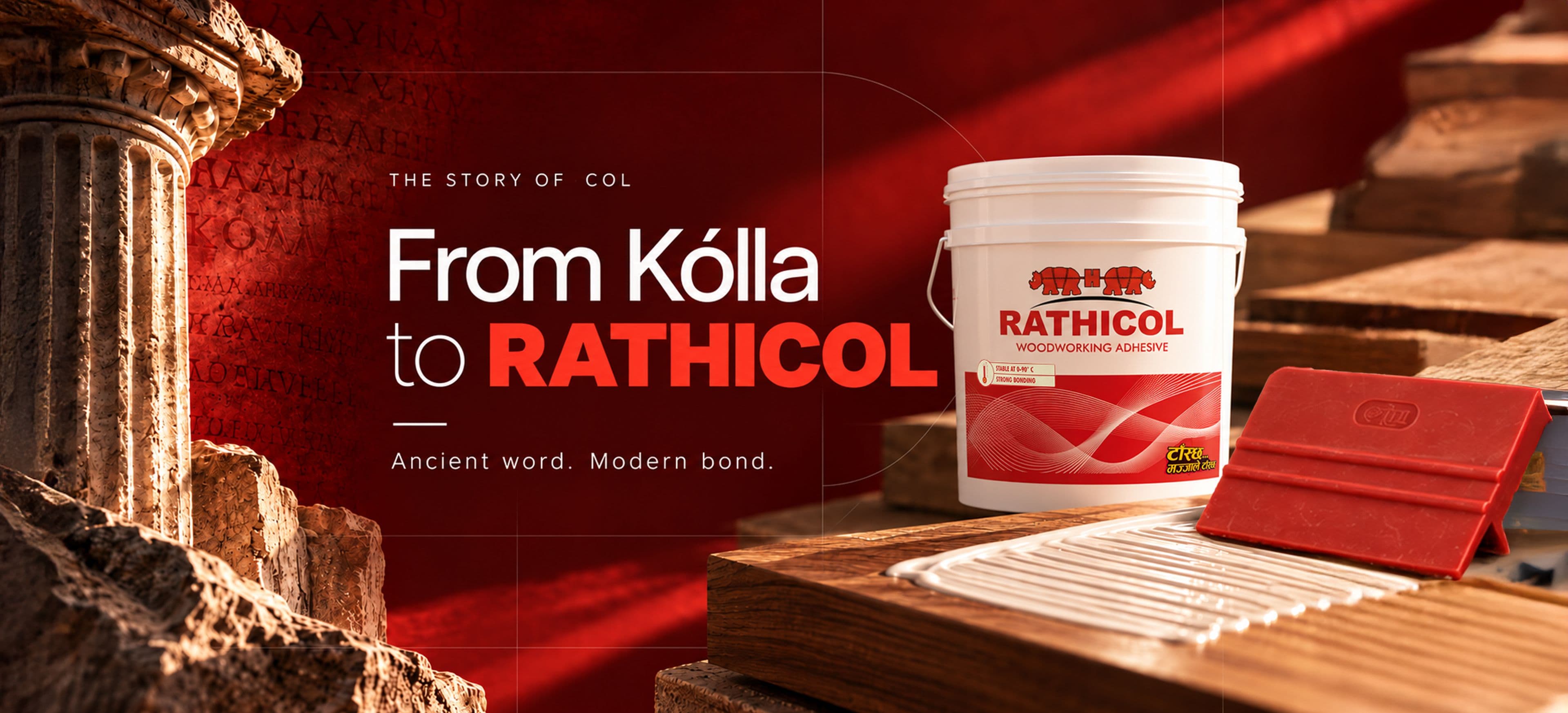
Where Does the Word “Col” Come From?
The story begins with the ancient Greek word kólla (κόλλα).
Kólla referred to an organic glue produced by boiling animal tissues such as hide, bone and sinew. Long before synthetic adhesives existed, craftspeople relied on these naturally derived bonding materials for woodworking, decorative work and other applications. History of Adhesive Suffix Col
Greek artisans used these early glues for tasks including joining wood, preparing surfaces for painting and fixing decorative inlays. History of Adhesive Suffix Col
So thousands of years ago, the linguistic ancestor of today's “col” was already associated with one simple idea:
Bringing materials together.
From Kólla to Colla, Colle and Collage
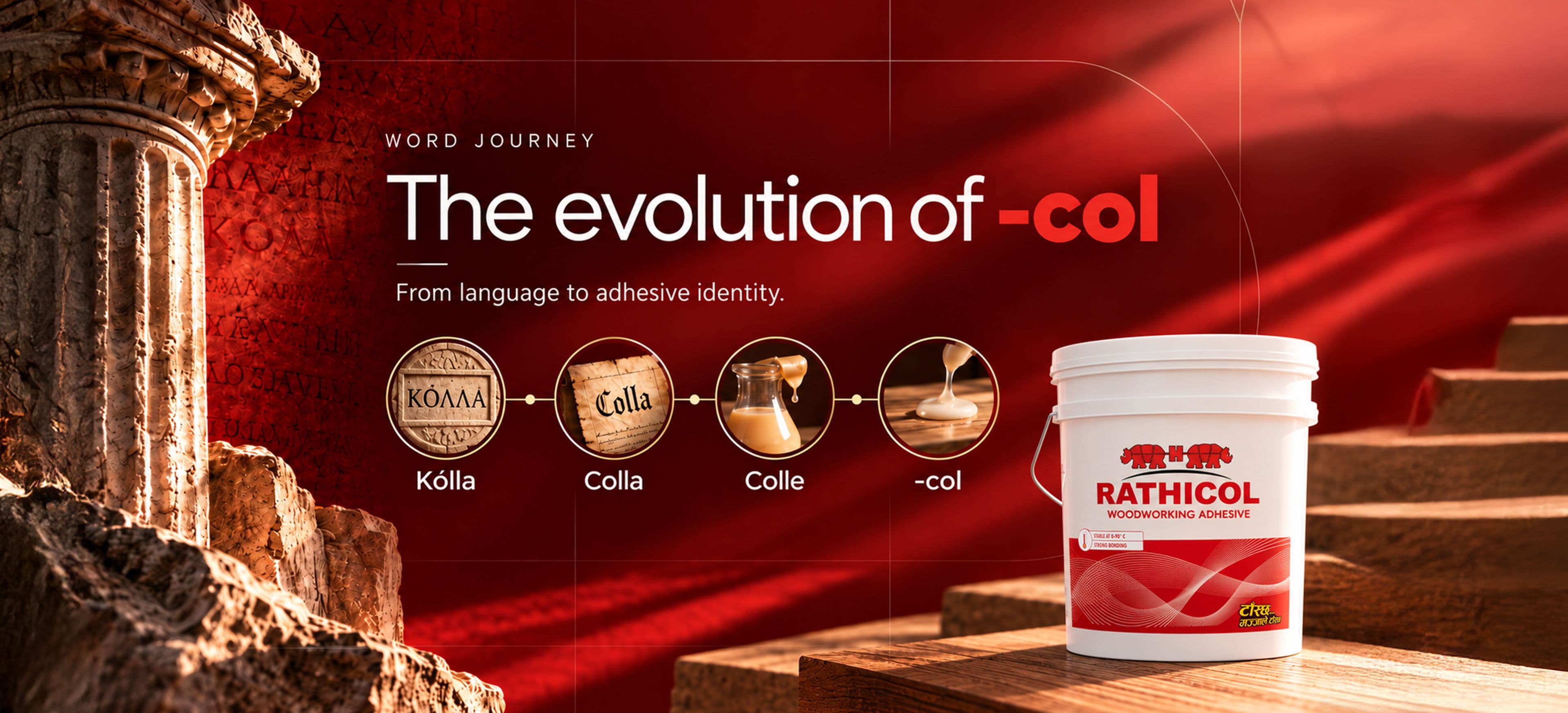
As languages evolved, the original word travelled with them.
The Greek kólla was followed by the Latin colla, while French developed colle, meaning glue or paste, and coller, meaning to glue or paste. History of Adhesive Suffix Col
This linguistic family can still be seen in familiar English words.
Collage
The word collage comes from French collage, literally referring to a “pasting”—an artwork created by gluing different materials together. History of Adhesive Suffix Col
Collagen
Even collagen belongs to this linguistic family. The name combines Greek kólla (glue) with a suffix associated with producing or generating—giving it the historical sense of something that “produces glue.” History of Adhesive Suffix Col
Across centuries and different fields, the basic idea remained remarkably consistent:
Col → Glue → Bonding → Joining things together